Fan Fang
跨越边界:AI 聊天机器人与全英授课教育中的超语行为研究
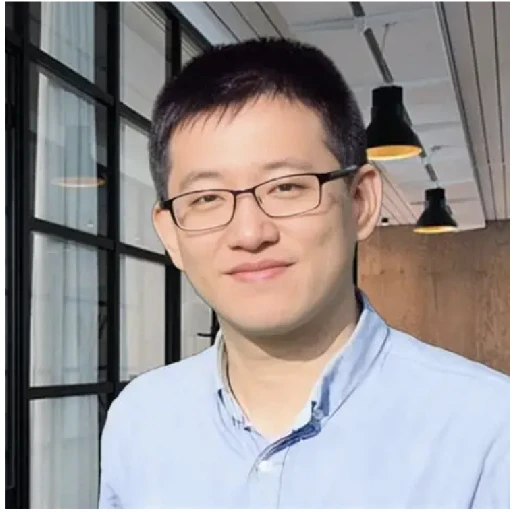
方帆,英国南普顿大学博士,现为香港教育大学教授(实践)。研究方向包括语言态度、身份认同、跨文化交际与语言教育等。方帆博士在Asia Pacific Journal of Education, Cambridge Journal of Education, ELT Journal, English Today, Journal of Multilingual and Multicultural Development, Language, Culture and Curriculum, Language Teaching Research, Lingua, RELC Journal, System, TESOL Quarterly等知名期刊发表多篇论文。近期出版专著及编著包括:Re-positioning accent attitude in the Global Englishes paradigm (Routledge)、Critical perspectives on global Englishes in Asia: Language policy, curriculum, pedagogy and assessment (2019,与Handoyo Widodo 博士合编)、Policies, politics, and ideologies of English medium instruction in Asian universities: Unsettling critical edges (2023,与Pramod K. Sah 博士合编)、English-medium instruction pedagogies in multilingual universities in Asia (2024,与Pramod K. Sah博士合编)。方帆博士学术影响力突出,不仅2021-2025年连续获评埃尔塞维尔中国高被引学者,还入选斯坦福大学2023-2025全球被引前2%科学家榜单。
Fan Fang holds a PhD at The University of Southampton, UK and is currently Professor (Practice) at The Education University of Hong Kong. His research interests include language attitude, identity, intercultural communication, and language education. He has published articles in journals including Asia Pacific Journal of Education, Cambridge Journal of Education, ELT Journal, English Today, Journal of Multilingual and Multicultural Development, Language, Culture and Curriculum, Language Teaching Research, Lingua, RELC Journal, System, TESOL Quarterly, among many others. His recent books include Re-positioning accent attitude in the Global Englishes paradigm (Routledge) and Critical perspectives on global Englishes in Asia: Language policy, curriculum, pedagogy and assessment (2019, co-edited with Dr Handoyo Widodo), Policies, politics, and ideologies of English medium instruction in Asian universities: Unsettling critical edges (2023, co-edited with Dr Pramod K. Sah) and English-medium instruction pedagogies in multilingual universities in Asia (2024, co-edited with Dr Pramod K. Sah). He is among the World's Top 2% most-cited scientists 2023 – 2025 by Stanford University and a highly cited Chinese scholar on Elsevier's list in 2021 – 2025.
人工智能时代,语言教育正面临着新的机遇和严峻的挑战。教育从业者需要以批判视角审视人工智能如何融入课堂教学与科研,但如今已越来越难以回避对人工智能的实质性应用。因此,培养批判性人工智能素养变得尤为重要,尤其全英授课(EMI)情境下,学生的语言能力、教育资源的可及性和课堂参与度受到关注。本次讲座将探讨如何将人工智能聊天机器人融入大学语言与文化课程。讲座将探究师生如何在实际教学场景中运用人工智能辅助学习。案例研究结果表明,学生会积极主动地设定聊天机器人的角色,并运用多语言、多模态的超语实践策略来理解课程内容,高效地表达观点。这类实践有助于营造更具支持性、更为灵活的学习环境,同时也能促使学生对语言运用与身份认同进行反思,讲座最后指出,依托超语实践的教学范式可以帮助教育者更审慎地运用人工智能,推进多语言教育与教育公平,并进一步培养学生在全英授课中的全球胜任力。
Language education today is encountering both new opportunities and important challenges in the age of artificial intelligence. While educators need to take a critical view of how AI is incorporated into classroom teaching and research, it is increasingly difficult to avoid engaging with AI in meaningful ways. Developing critical AI literacy has therefore become especially important, particularly in English-medium instruction (EMI) contexts where issues of language, access, and participation are closely intertwined. This talk presents a classroom-based case study of integrating an AI chatbot into a university course on language and culture. It explores how both teachers and students worked with AI in practical ways to support learning. The findings show that students actively exercised agency by designing their own chatbot roles and using multilingual and multimodal translanguaging strategies to make sense of course content and communicate ideas more effectively. These practices helped create a more supportive and flexible learning space while also encouraging reflection on language use and identity. The talk concludes by suggesting that translanguaging-informed approaches can help educators make more thoughtful use of AI to support multilingual and equitable education, and to further develop students' global competence in EMI classrooms.
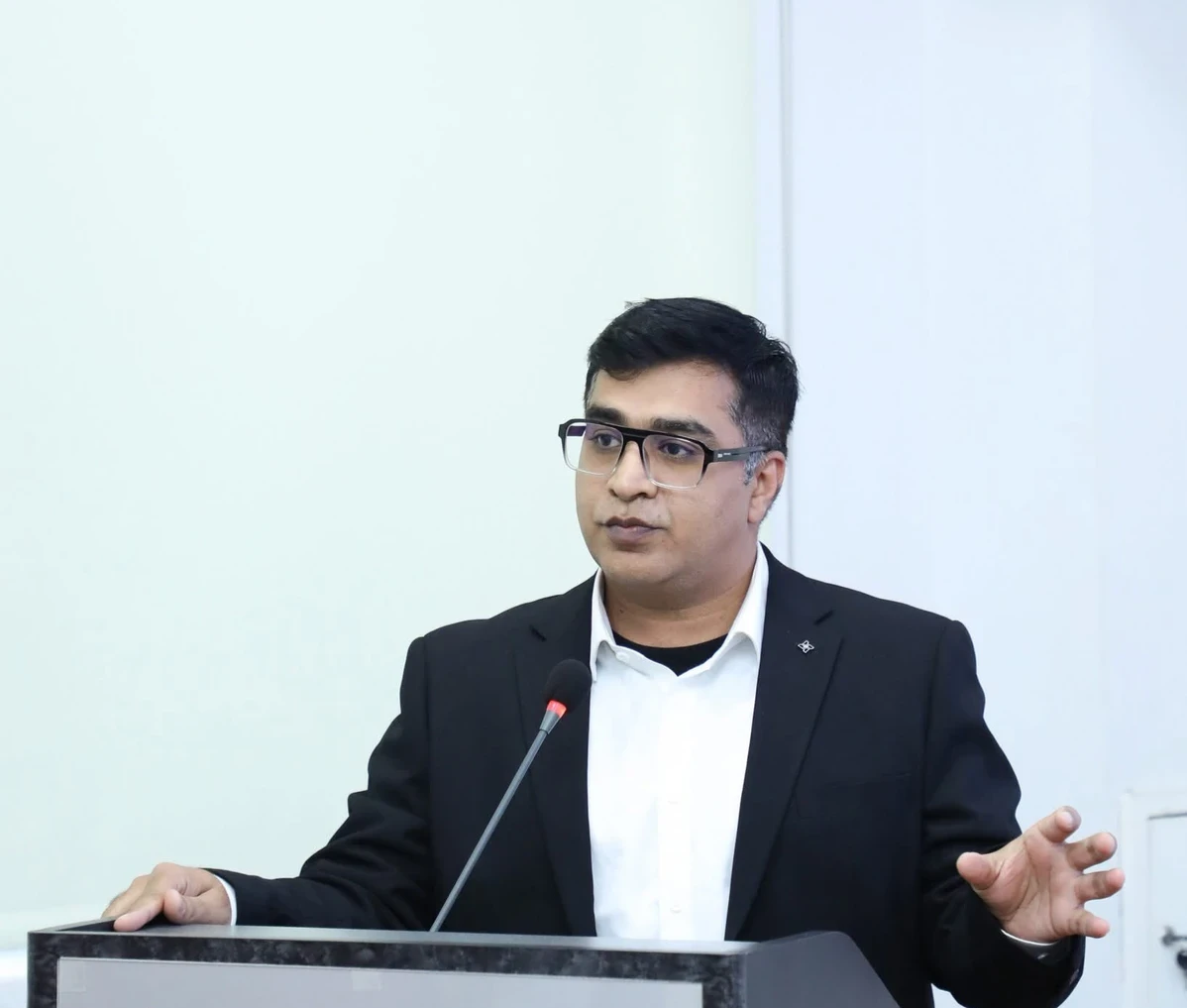
Muhammad Afzaal
Associate Professor
Institute of Language Sciences
Shanghai International Studies University
Meeting ID: 852 8566 7270
Passcode: 423173